Inside the PixVerse Workshop at the UN AI for Good Global Summit
At the UN AI for Good Summit 2026 in Geneva, PixVerse hosted a workshop on AI filmmaking with creators spanning horror, animation, performance, and commercial ads.
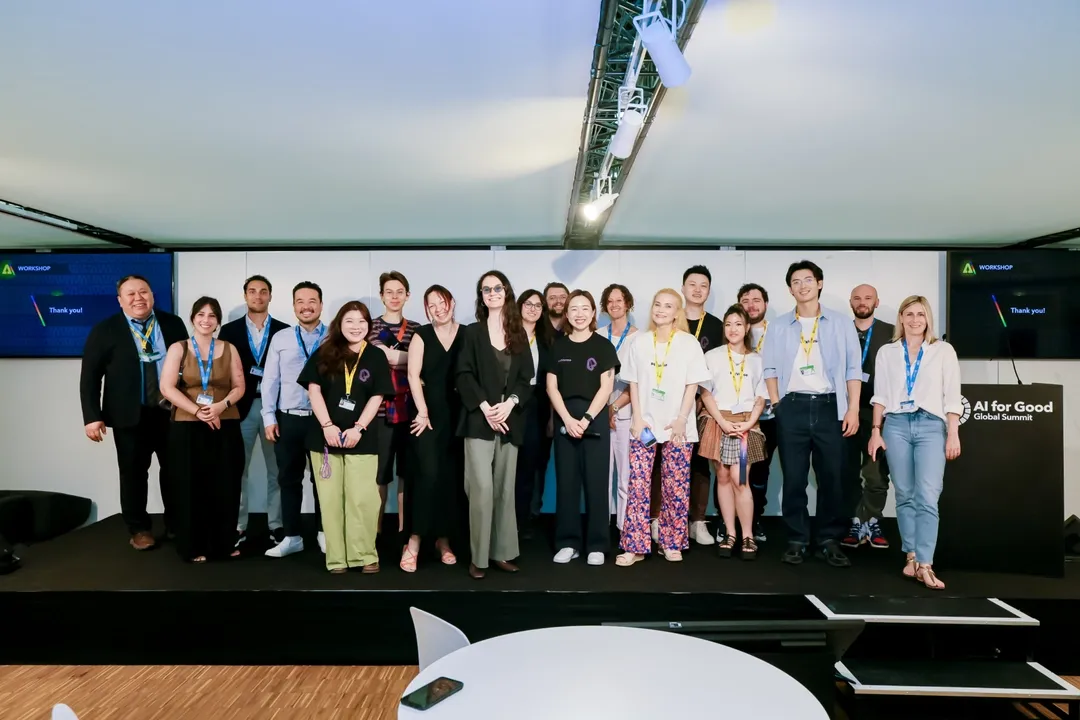
On the opening day of UN AI for Good Summit held in Geneva from 7–10 July , 2026, PixVerse hosted a workshop that brought together five creators working at the frontier of AI filmmaking. Over the course of the afternoon, they spoke candidly about their creative processes and where they think the medium is heading.
The workshop followed PixVerse’s 2026 partnership with the UN AI for Good Global Summit and Film Festival, which set out the wider program for creator participation and awards.
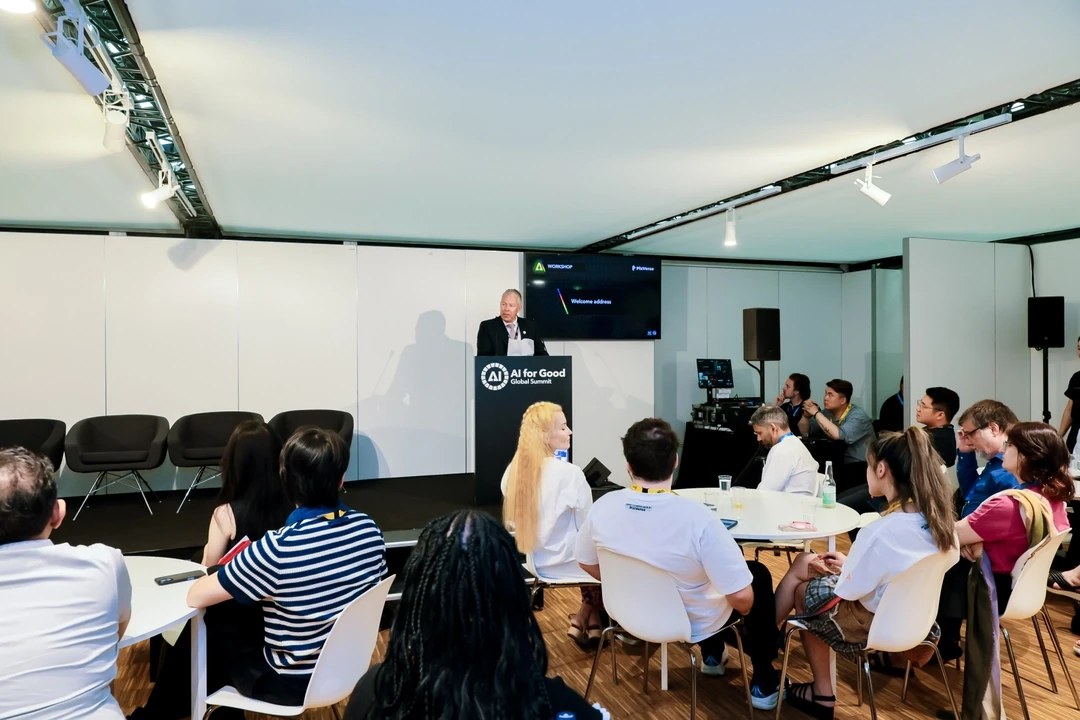
Frederic Werner, Chief of Strategic Engagement at ITU and co-creator of the AI for Good Global Summit, opened the afternoon with a reminder of why this conversation matters beyond the technology itself. What’s happening with AI video right now, he said, isn’t just a technical shift. It’s a creative one, an industrial one, and a cultural one too. He also made the point that innovation alone isn’t enough. Getting this right requires the right standards, the right skills, and the right partnerships alongside the tools.
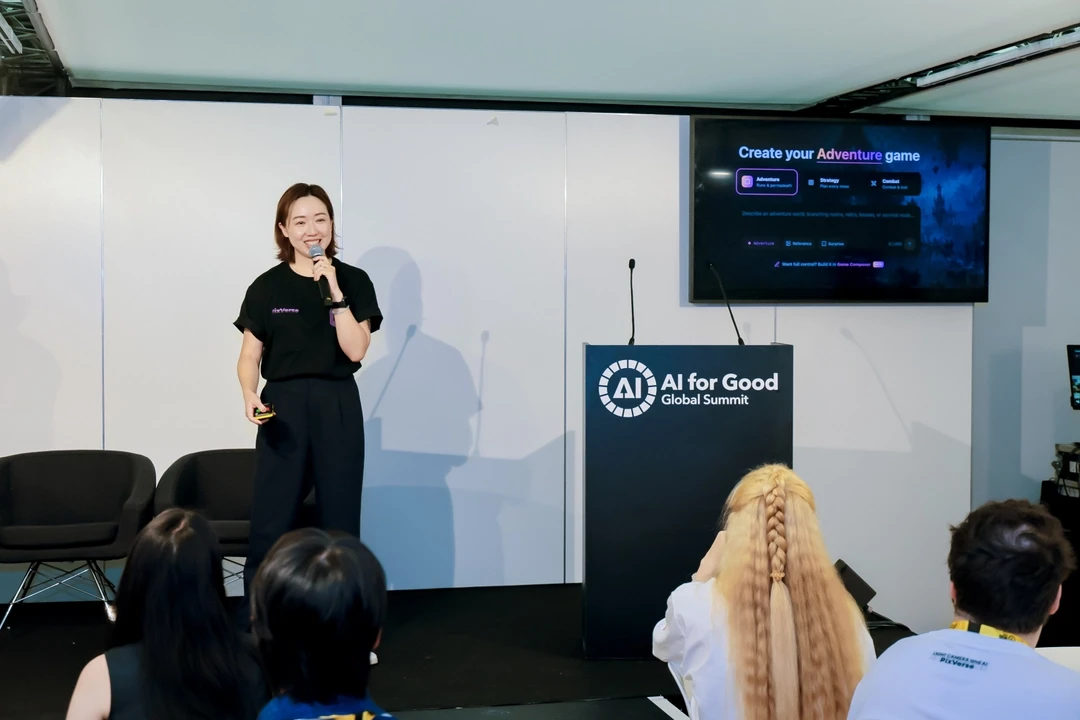
Robyn Tan, our Head of Global PR, then shared an overview of PixVerse. The through-line was simple: lowering the barriers to video creation so that more people can tell their stories. She walked through how the platform serves three different types of users: everyday creators making content for social media or family, professional creators with a clear vision, and enterprise teams looking to improve their production workflows.
Robyn also introduced PixVerse’s three model families: the V Series for cinematic video generation, the C Series for professional film and commercial workflows, and the R Series real-time world model. She closed with a note on the PixVerse Originals Initiative, which supports creators around the world in producing AI-native productions through compute power, tokens, and distribution support.
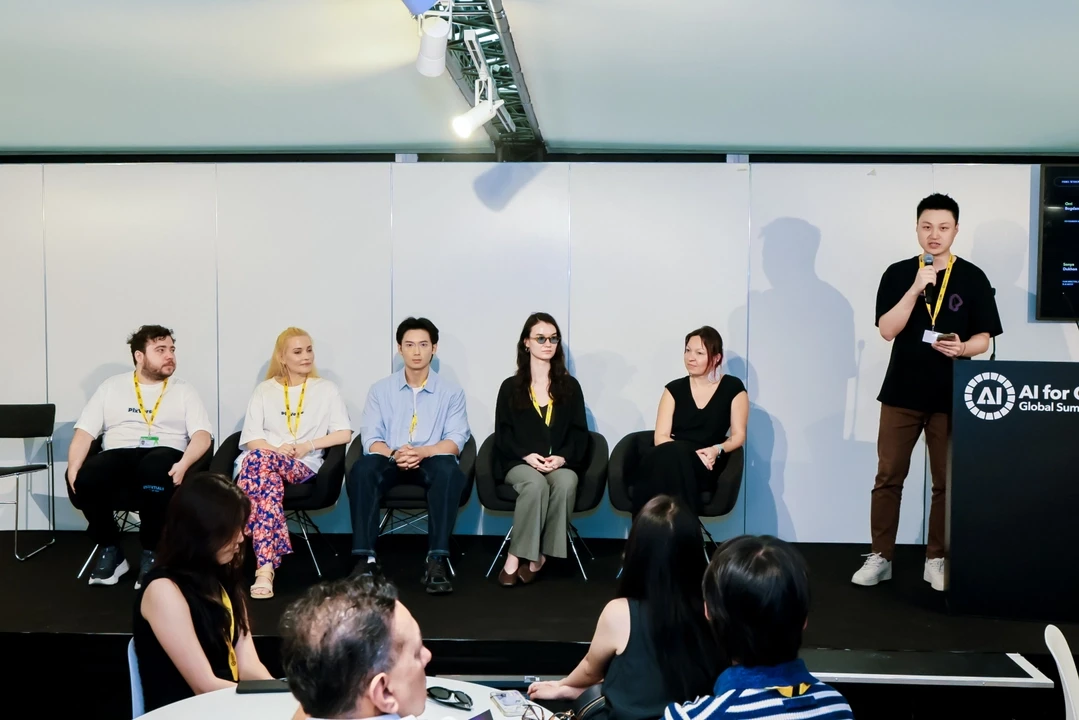
We then moved on to the roundtable moderated by Davy Zhang, our Head of Global Operations. Joining Davy on stage were Anna Pimen, Sonya Dukhon, Daria Grin, Ken Wu, and Orri Bogdan — a group that between them spans horror filmmaking, animated features, commercial content, and performance arts. The conversation moved past the question of whether AI video is possible, and into what it actually means for the people making it.
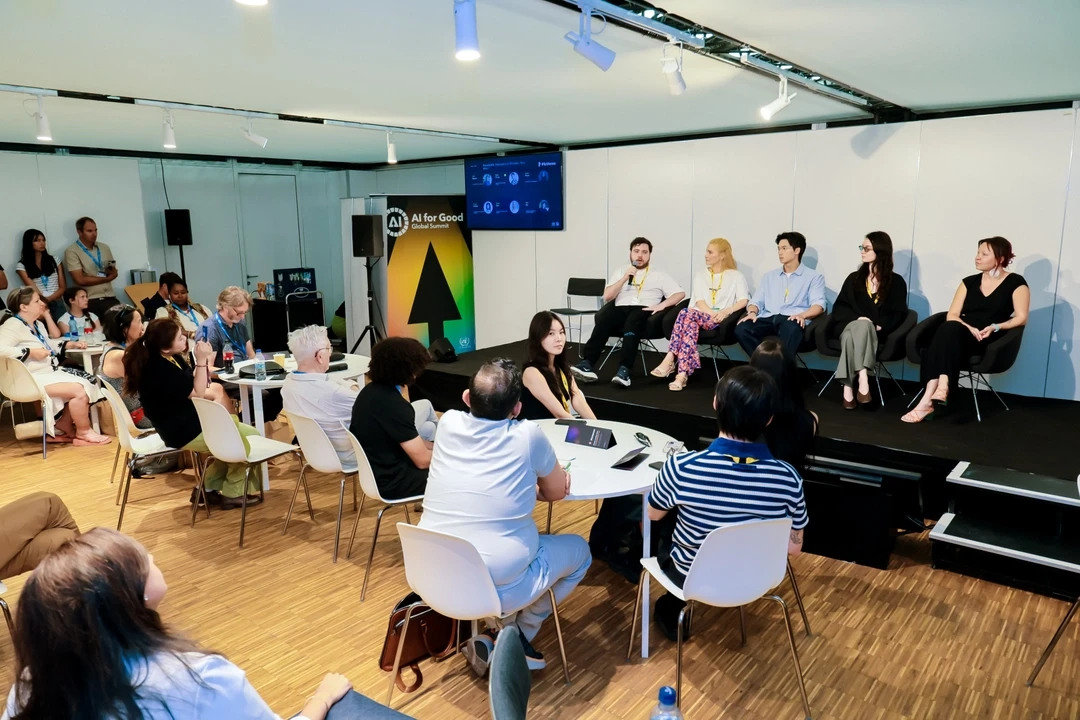
The discussion returned to one shared belief: the boundaries of AI video are moving faster than almost anyone expected. Ideas that felt out of reach only months ago are becoming possible in real creative work, changing how creators think about images, performance, and the scale of stories they can attempt. One lively part of the conversation centered on the relationship between live-action performance and AI-generated video — where the actor’s craft ends, where directing an AI character begins, and how both can shape the emotional truth of a scene. Across the panel, the encouragement was clear: keep experimenting, stay close to the possibilities as they emerge, and use AI to bring more personal, ambitious, and once-impossible stories into the world.
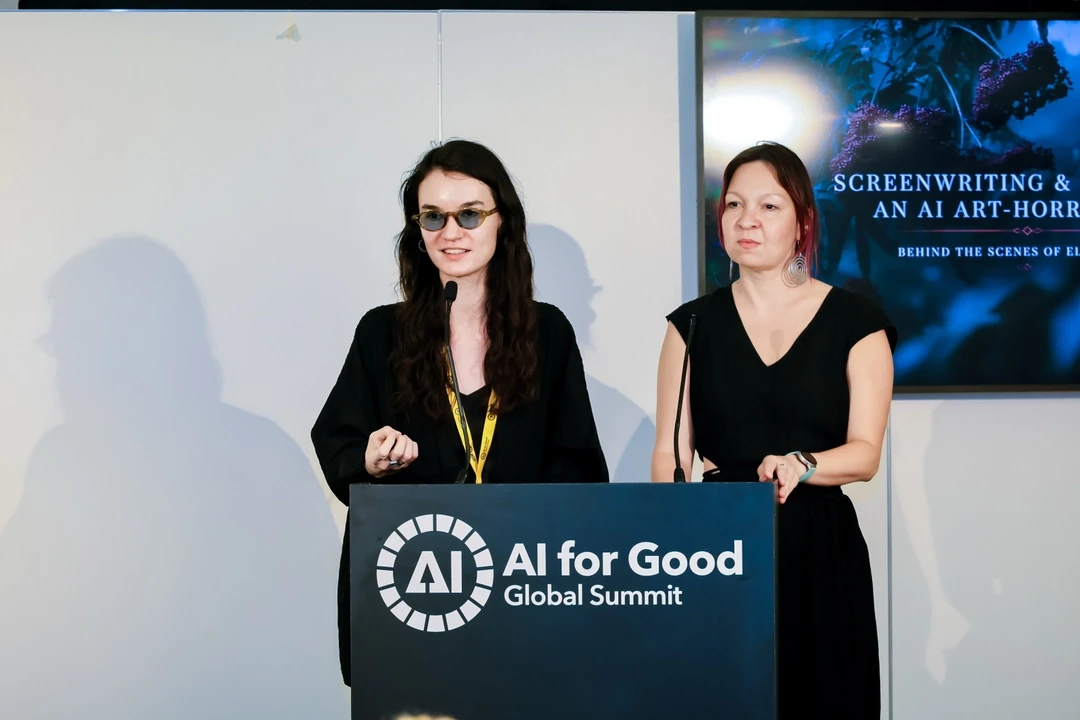
The first individual session of the afternoon came from Anna Pimen and Sonya Dukhon, the screenwriter-producer duo behind Elderberry, which premieres on July 20. Their presentation was less a making-of and more an argument for why horror, done right, matters. Anna opened with a question the genre rarely gets asked: what is art-horror actually for? Her answer was that it creates a symbolic space to face what we usually avoid — grief, guilt, loneliness, the kind of pain that gets dressed up as positivity or productivity until it has nowhere to go. The film grew out of that belief. Elderberry is a story seen through a child’s eyes, exploring how children mistake danger for play — and what adults do when they can’t bring themselves to look directly at what hurts. Sonya brought the personal dimension. Some of the film’s visual world was built from her own childhood memories, recreated using AI tools — objects, textures, and details from her own past rendered through PixVerse, then woven into the film’s atmosphere. It’s an unusual creative choice, and one that says something about what AI makes possible: not just speed or scale, but a new kind of access to personal material that traditional production couldn’t have captured the same way.
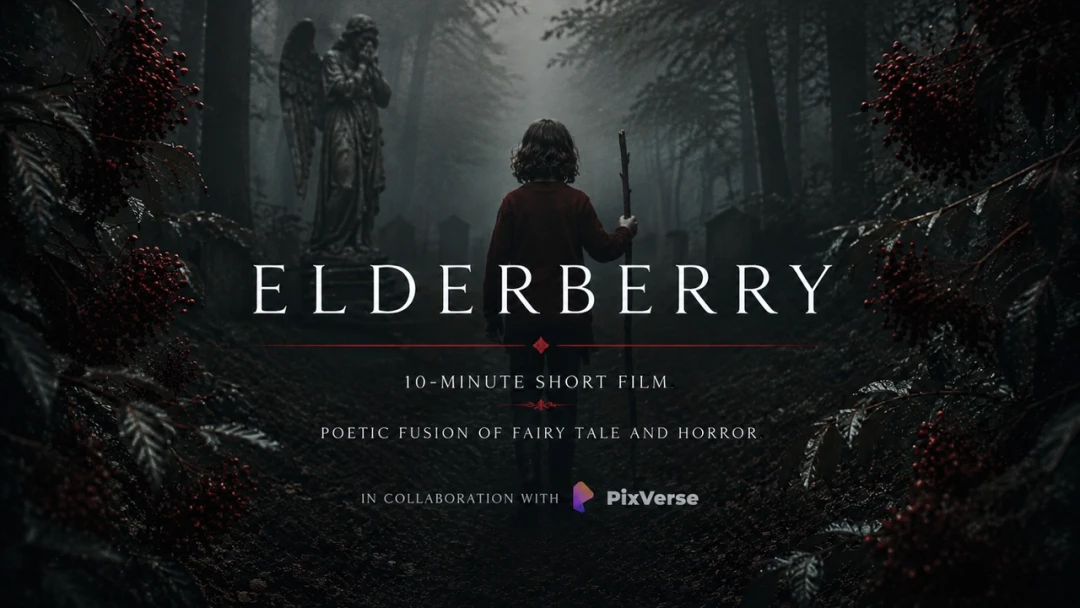
PixVerse served as the main technical partner on Elderberry, supporting the production through the generation tools that brought the film’s distinctive visual world to life.
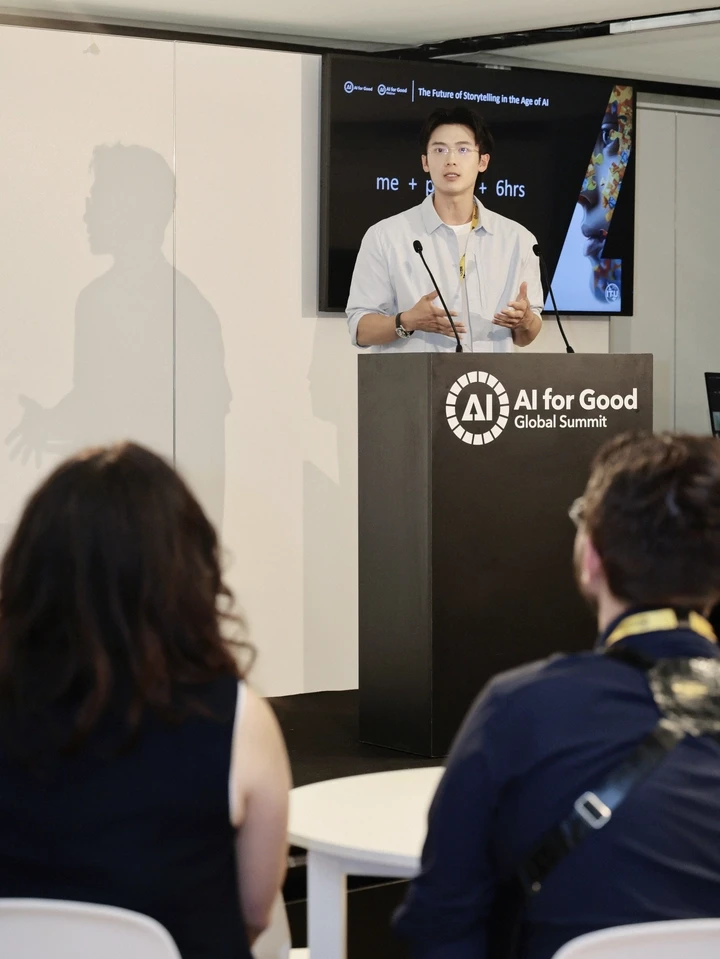
Ken Wu, actor and co-founder of Eidon Labs, took the afternoon in a more philosophical direction. His argument: storytelling isn’t just entertainment. It’s the infrastructure that holds societies together. Nations, laws, currencies — these are all stories people agree to believe in. From there, he mapped where the medium is heading. We’ve moved from telling stories, to showing stories, and we’re approaching something new: entering stories. The future storyteller, in his view, isn’t an author or a filmmaker. It’s a world-builder. Someone who creates environments, characters, and rules that audiences don’t just watch but actively participate in.
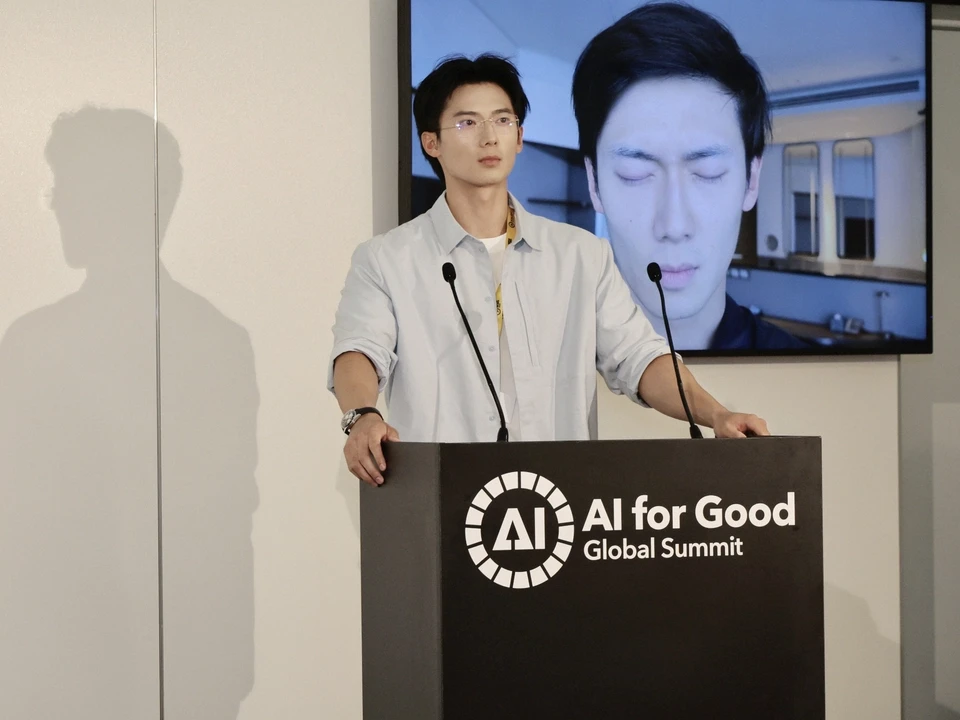
He closed with two questions he left deliberately open: what remains human in all of this, and what kind of worlds should we build?
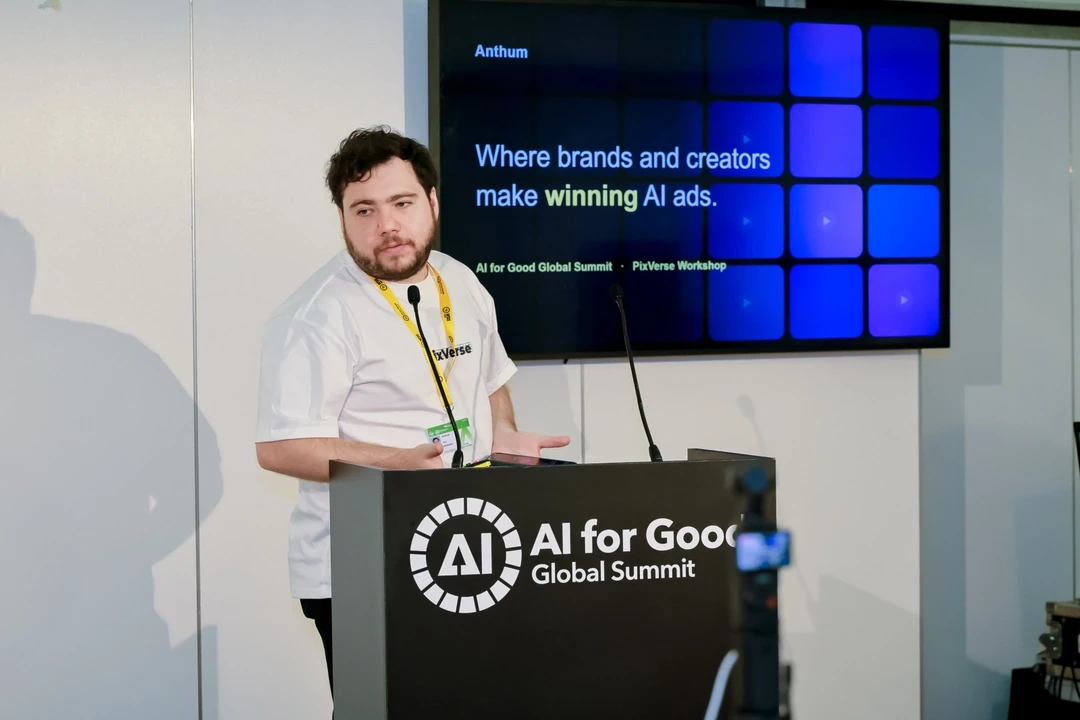
Orri Bogdan, co-founder of Anthum AI, brought a more commercial lens to the afternoon. His provocation was simple: AI video is easy. Getting paid for it isn’t. Anthum connects brands that need advertising content with creators who can make it, running on a contest model where real ad spend picks the winner. What made his session a good counterpoint to the others was the opportunity it pointed to: AI video isn’t just opening doors for filmmakers and storytellers, but for anyone who wants to build a career creating content.
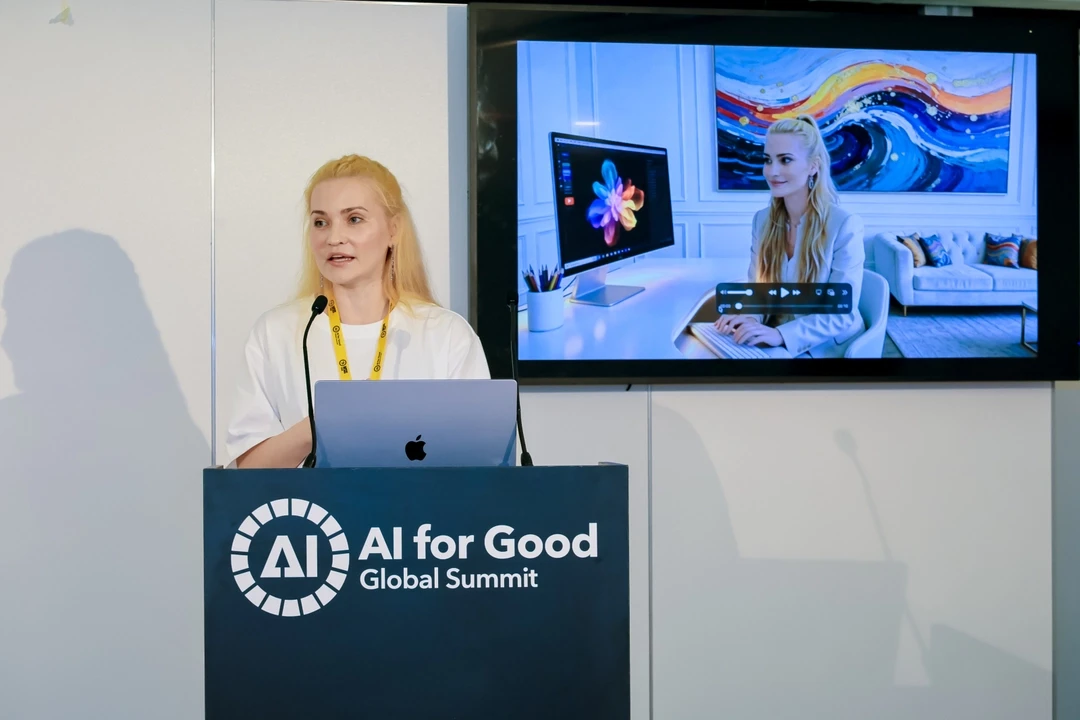
Daria Grin closed the afternoon with the most hands-on session of the day. Rather than a traditional presentation, she walked the room through a workflow platform she built herself on top of PixVerse, a tool designed to manage the complexity of producing a feature-length AI animated film efficiently. The level of detail was striking: every part of her process, from scene planning to generation to asset management, had been thought through and systematized. She also played the trailer for Aisha and the Sands of Destiny, her upcoming animated feature rooted in Arabic storytelling traditions. Seeing the finished work alongside the workflow that produced it made for a powerful closing note to the afternoon.